
Automatic H Beam Welding Machine Selection: Integrated Production Line vs. Standalone Stations
Sep 29, 2026
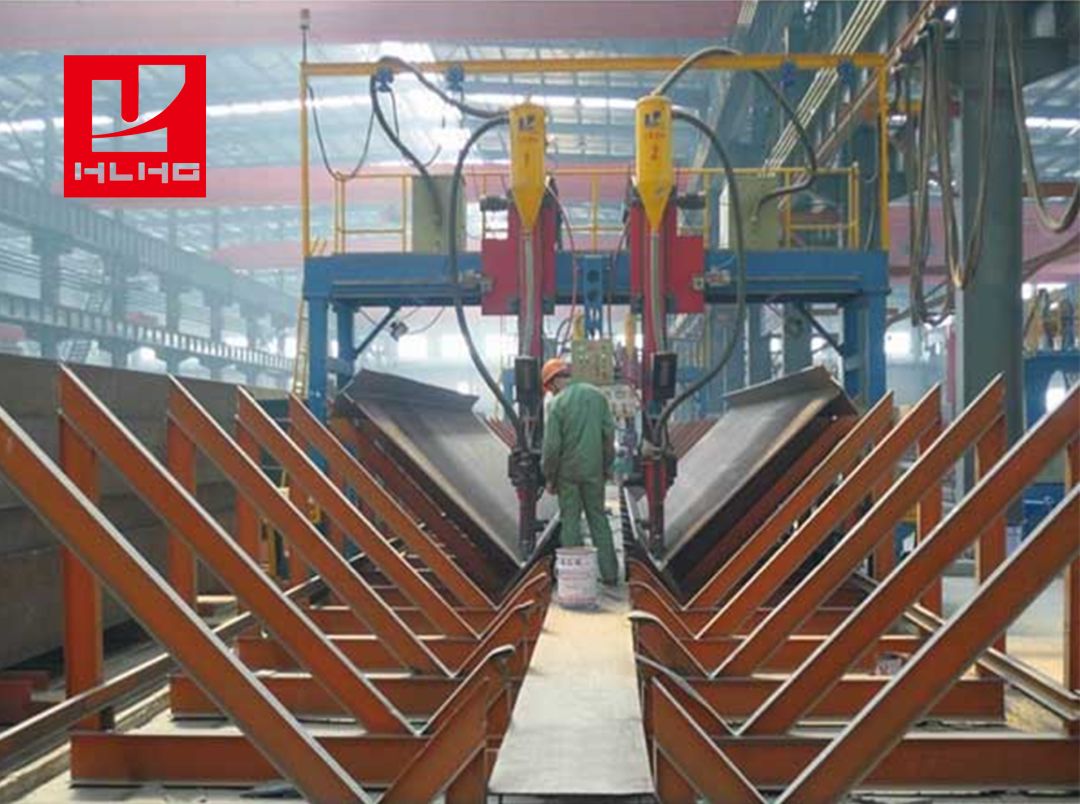
Wuxi, Jiangsu Sep 28, 2026 (Issuewire.com) - Selecting an automatic H beam welding machine requires balancing capital investment, workshop footprint, crane logistics, and projected monthly production volume. Specialized in heavy automated welding solutions since 1987, equipment developer Wuxi Hualian Science & Technology Group--branded internationally as Hualian, manufactures both integrated continuous beam production lines and versatile standalone welding units. Structural steel fabricators expanding capacity face a critical architectural decision between fully connected conveyor flow and flexible standalone machine cells. The right choice depends on analyzing daily tonnage targets, crane handling availability, and product standardization before committing capital.
Separate the welding station from the integrated production line
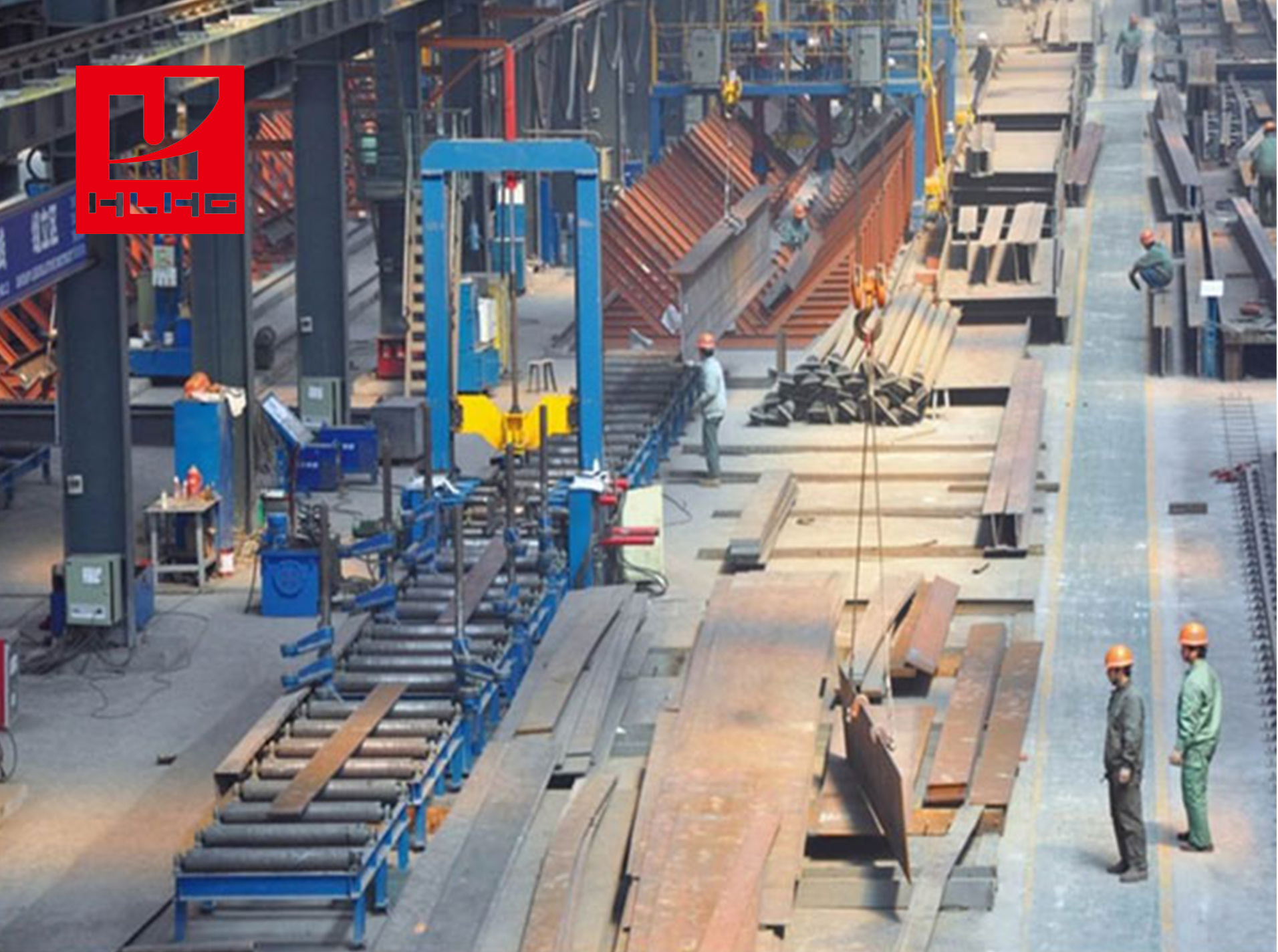
A standalone automatic welding station performs submerged arc welding on a pre-assembled, tacked, and positioned H-beam. Upstream plate cutting, manual or mechanized assembly, component turnover, and downstream flange straightening are handled by separate shop equipment and overhead cranes. An integrated production line coordinates these multiple operations around a mechanized workpiece conveyor. For example, Hualian manufactures the MWZD-1200 horizontal H-beam production line, which integrates end assembly, twin-wire single-arc welding, chain turning, and motorized transfer tables into a continuous flow.
Operating standalone machinery does not mean relying on slow manual welding. Similarly, choosing an all-in-one production line does not require cramming every operation onto a single machine frame. The true distinction lies in how materials transfer between workstations. In a standalone cell, cranes move workpieces between unconnected machines, leaving travel speeds dependent on crane availability. In an integrated line, powered conveyors automate movement, establishing a continuous manufacturing cadence.
Compare workpiece fit before comparing architecture
Both equipment architectures must satisfy project structural drawings, joint geometry, and non-destructive testing acceptance standards. An automated welding machine that fails to accommodate target beam cross-sections is unsuitable, regardless of its level of material handling automation. The MWZD-1200 horizontal production line processes flange widths from 150 mm to 500 mm, web heights from 300 mm to 1,200 mm, and beam lengths from 4 meters to 15 meters. Horizontal welding allows simultaneous deposition of dual fillet seams while the beam travels longitudinally through stationary welding heads.
In contrast, Hualian supplies heavy-duty gantry welding machines accommodating workpiece widths from 200 mm to 800 mm. These units handle lengths from 2,000 mm to 15,000 mm, with web heights spanning up to 2,500 mm. Cantilever welding units provide open-sided access for extra-wide crane runway girders. Buyers must map their full structural section schedule against these dimensional ranges. Sizing equipment to fit ninety percent of standard building sections delivers higher return on capital than sizing for rare architectural extremes.
Use the workshop's existing strengths to narrow the choice
An established steel fabrication plant may already possess reliable high-capacity assembly beds, overhead bridge cranes, and heavy flange straightening presses. In such facilities, installing a modern gantry or cantilever submerged arc welding station eliminates a specific welding throughput deficit without disrupting existing material flow. A greenfield structural manufacturing facility or dedicated export fabrication bay benefits greatly from integrated line architecture. Designing plate fit-up, continuous dual-side welding, motorized chain turning, and conveyorized transfer simultaneously eliminates crane bottlenecks and maximizes total shop output. Plant managers must evaluate whether adding an integrated line requires reconfiguring raw plate storage bays and blasting cells. Aligning machine architecture with workshop layout prevents internal transport congestion.
Repeated sections and mixed batches create different questions
Facilities producing standardized H-beams for commercial buildings, warehouse portal frames, and pipe racks achieve outstanding efficiency on integrated horizontal lines. Continuous motorized roller conveyors maintain rapid, predictable cycle times between workstations. Workshops handling custom heavy civil infrastructure, tapered bridge girders, and non-standard column assemblies require the positioning flexibility of standalone gantry welders. Dual-bay gantry systems allow operators to weld one beam while fitting or turning an asymmetric profile in the adjacent bay. Evaluating changeover frequency is essential. Standardized lines excel when running identical beam profiles for several shifts, whereas standalone stations adapt rapidly to varied flange thicknesses and asymmetric weld prep angles.
Compare welding travel on the same production basis
Published machine travel speeds must be interpreted in practical operating context. On the MWZD-1200 line, welding travel ranges from 500 mm to 1,500 mm per minute, depending on wire diameter, flux grade, and qualified welding procedure specifications. Travel speed represents torch movement during arc-on time. A comprehensive productivity evaluation must account for fitting setup, seam tracking calibration, workpiece flipping, and crane waiting delays. Comparing a standalone torch travel speed against complete line output creates an inaccurate assessment of total daily tonnage. Total finished output reflects the entire cycle: loading web and flanges, hydraulic clamping, tacking, seam welding, rotating, second-side welding, and flange straightening. True productivity equals completed, verified beams delivered to the shipping bay each shift.
Compare the obligations included in each offer
Initial equipment purchase price provides an incomplete basis for procurement comparison. An integrated line proposal includes automated conveyor tracks, motorized chain turners, hydraulic clamping units, and synchronized control systems that standalone machine quotes leave to buyer supply. Procurement managers must evaluate foundation rail excavation, three-phase electrical connections, pneumatic air supply, operator training hours, and spare parts availability across both offerings. Calculating operational payback requires realistic estimates of crane labor savings, arc-on duty cycles, and scrap reduction. Operating an integrated line reduces crane labor significantly, as fewer crane operators and riggers are tied up moving hot, partially welded beams between scattered machines.
Equipment warranties should cover mechanical wear components, hydraulic seals, and digital control boards under full two-shift production duty. Selecting suppliers with established overseas spare parts support prevents extended machine downtime during urgent fabrication contracts. Fabricators should evaluate four objective criteria when deciding between integrated lines and standalone cells: monthly fabrication tonnage, crane flow capacity, workshop floor dimensions, and initial capital allocation. Facilities targeting upwards of 1,000 tons of standardized structural profiles achieve faster capital payback with integrated lines due to continuous conveyorized flow. Standalone cells allow phased capital investment while accommodating diverse built-up profiles across existing multi-bay workshops.
Choose the next proposal to request
Fabricators should compile a representative portfolio of structural beam drawings, monthly tonnage requirements, steel grades, and available workshop bay dimensions. This technical dossier enables equipment engineers to evaluate whether a standalone station or an integrated line provides optimal return on investment. Detailed drawings should indicate web depths, flange thicknesses, typical fillet sizes, and steel specifications. Providing realistic production volume forecasts ensures that engineering proposals match commercial targets.
Structural steel companies can consult Hualian to evaluate customized gantry submerged arc welders or complete horizontal production line configurations: https://www.hualianoversea.com/. Hualian provides tailored technical proposals that align machine capability with project commercial goals.
Source :Wuxi Hualian Science & Technology Group
This article was originally published by IssueWire. Read the original article here.
More News







Recommended








YOUR NEWS, OUR NETWORK.
Do you have Great News you want to tell the world?
Be it updates about your business or your community, you can make sure that it’s heard by submitting your story to our network reaching hundreds of news sites across 6 verticals.